The tempter can never compel us to do evil. He cannot control minds unless they are yielded to his control. The will must consent, faith must let go its hold upon Christ, before Satan can exercise his power upon us. But every sinful desire we cherish affords him a foothold. Every point in which we fail of meeting the divine standard is an open door by which he can enter to tempt and destroy us. From DA 125 DA: Desire of Ages by Ellen G. White page...

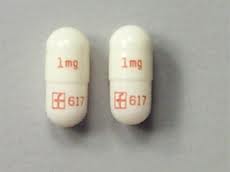
Information from Astellas Prograf is my transplant medication along with other meds. I have been taking this since my transplant [12/13/2001] with increase and decrease in dosage depends on the lab results. My dosage was increased in May,2011 due to increase in my liver enzymes. I have to take my meds on time and do my lab test every month. What is Prograf? PROGRAF is a prescription medicine used with other medicines to help prevent organ rejection in people who have had a kidney, liver, or heart transplant. PROGRAF is not for use with medicines called cyclosporines (Gengraf®, Neoral®, and Sandimmune®) and is not for use with a medicine called sirolimus (Rapamune®) in people who have had a liver or heart transplant. It is not known if PROGRAF is safe and effective when used with sirolimus in people who have had kidney transplants. It is not known if PROGRAF is safe and effective in children who have had kidney or heart transplants. Important Safety Information What is the most important information I should know about Prograf? Prograf can cause serious side effects, including: 1. Increased risk of cancer. People who take Prograf have an increased risk of getting some kinds of cancer, including skin and lymph gland cancer (lymphoma). 2. Increased risk of infection. Prograf is a medicine that affects your immune system. Prograf can lower the ability of your immune system to fight infections. Serious infections can happen in people receiving Prograf that can cause death. Call your doctor right away if you have symptoms of an infection such as fever, sweats or chills, cough or flu-like symptoms, muscle aches, and/or warm, red, or painful areas on your skin. Do not take PROGRAF if you are allergic to tacrolimus or any of the ingredients in PROGRAF.Before you take PROGRAF, tell your doctor if you:plan to receive any live vaccines, have or have had liver, kidney or heart problems, are pregnant or plan to become pregnant. PROGRAF may harm your unborn baby and can pass into your breast milk. You and your doctor should decide if you will take PROGRAF or breastfeed. You should not do both.Tell your doctor about all the medicines you take,including prescription and non-prescription medicines, vitamins, and herbal supplements. PROGRAF may affect the way other medicines work, and other medicines may affect how PROGRAF works. Know the medicines you take. Keep a list of your medicines and show it to your doctor and pharmacist when you get a new medicine.How Should I Take PROGRAF? Do noteat grapefruit or drink grapefruit juice while taking PROGRAF. Take PROGRAF exactly as your doctor tells you to take it. Take PROGRAF with or without food and the same way and time every day. If you take too much PROGRAF, call...
Wow! We are at the end of 2011. What a year it has been?? with lots of love, joy, peace, happiness, marriages, deaths, sickness, births, healing, sadness, victories, defeat, struggles, disappointment and accomplisments. Inspite of all of those things we are still here, so let us give thanks and sing praises to God. The best is yet to come! 2 Corinthians 5:17 (NKJV) ”Therefore, if anyone is in Christ, he is a new creation; old things have passed away; behold, all things have become...
Prayer opens our lives to God’s cleansing power. During prayer, the Holy Spirit X-rays our souls. We see hidden sins and defects in our characters that keep us from being the powerful witnesses He longs for us to be. Prayer draws us into an intimate relationship with Jesus. In prayer, we open our minds to the guidance of the Holy Spirit. We seek His wisdom, not our own. Revive Us Again p. 13 From Revive Us Again by Mark A. Finley. Chapter Prayer and...

Lactose intolerance Lactose intolerance means that you have trouble digesting lactose, which is the sugar in dairy foods and foods made with milk. This can cause stomach problems such as pain and diarrhea for some people. After eating foods with lactose in them, you may feel sick. Lactose intolerance happens when the small intestine does not make enough of the enzyme lactase. Enzymes help the body absorb foods. Not having enough lactase is called lactase deficiency. Symptoms Symptoms often occur 30 minutes to 2 hours after you eat or drink milk products, and are often relieved by not eating or drinking milk products. Large doses of milk products may cause worse symptoms. Symptoms include: Abdominal bloating Abdominal cramps Diarrhea Gas (flatulence) Nausea Treatment Decreasing or removing milk products from the diet usually improves the symptoms. Try dairy foods that have less lactose than milk, as they may not bother your stomach as much. Hard cheeses, such as cheddar and romano, and yogurt are examples. Drink lactose-reduced and lactose-free milk, which can be found in most grocery stores. Talk to your doctor about pills and drops that may make it easier for you to digest milk and dairy products. Try calcium and vitamin D fortified soy milk if you find you can’t tolerate milk at all. Rice milk, Almond milk, and soy milk is also a good source of lactose free milk. Points to Remember Lactose intolerance is the inability or insufficient ability to digest lactose, a sugar found in milk and milk products. Lactose intolerance is caused by a deficiency of the enzyme lactase, which is produced by the cells lining the small intestine. Not all people with lactase deficiency have digestive symptoms, but those who do may have lactose intolerance. Most people with lactose intolerance can tolerate some amount of lactose in their diet. People with lactose intolerance may feel uncomfortable after consuming milk and milk products. Symptoms can include abdominal pain, abdominal bloating, gas, diarrhea, and nausea. The symptoms of lactose intolerance can be managed with dietary changes. Getting enough calcium and vitamin D is a concern for people with lactose intolerance when the intake of milk and milk products is limited. Many foods can provide the calcium and other nutrients the body needs. Talking with a doctor or registered dietitian may be helpful in planning a balanced diet that provides an adequate amount of nutrients—including calcium and vitamin D—and minimizes discomfort. A health professional can determine whether calcium and other dietary supplements are needed. Milk and milk products are often added to processed foods. Checking the ingredients on food labels is helpful in finding possible sources of lactose in food products. Products...